
October 19 & 20th, 2025
2838 E. Hastings
3:00pm, 4:30pm & 6:00pm, 7:30pm
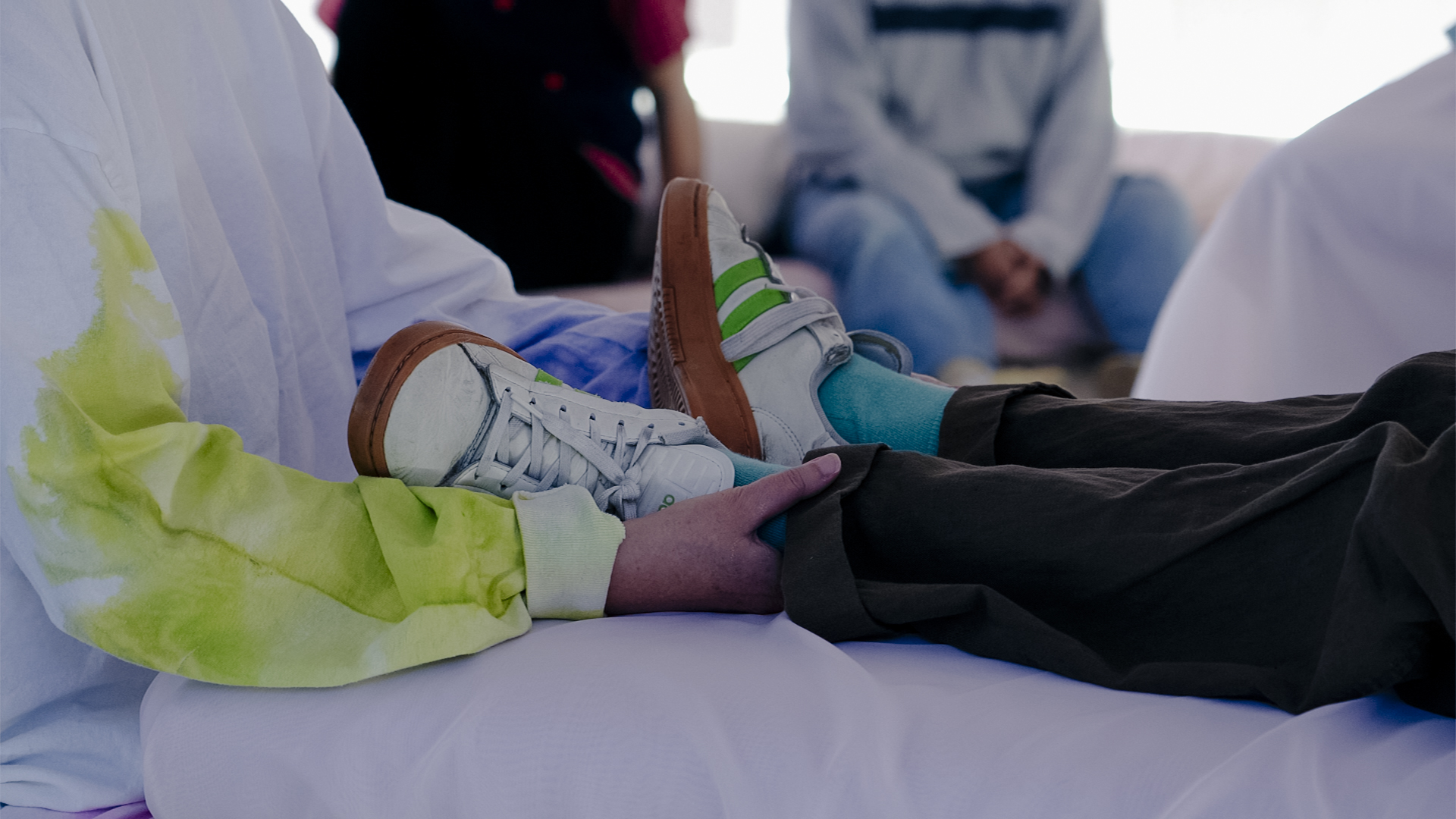
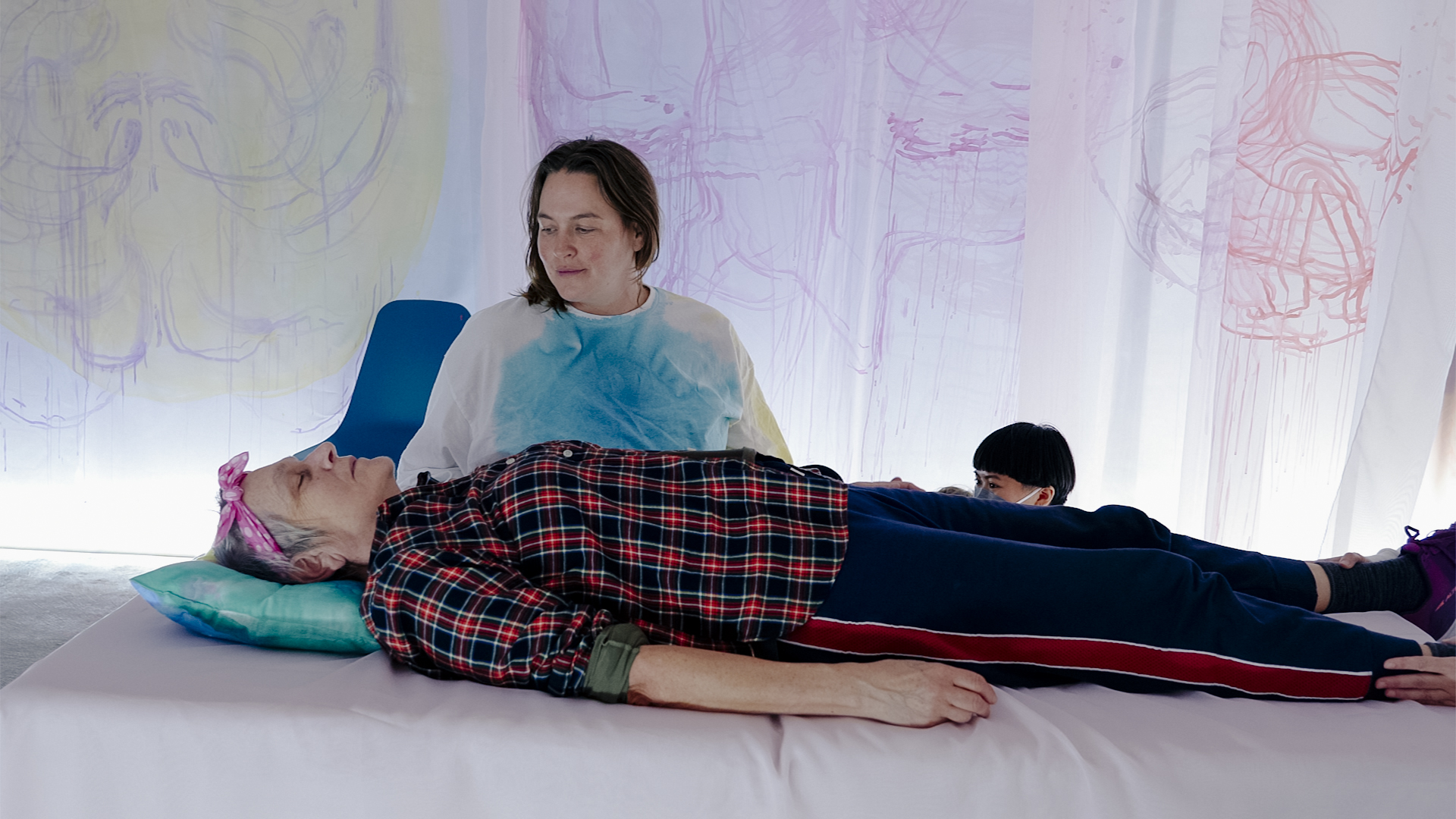
Dreaming the Asklepion is an interdisciplinary performance and installation project that reimagines ancient healing spaces as contemporary, immersive environments for collective transformation. It is a collaborative work by visual artist Zoë Kreye, dance artist and craniosacral therapist Alexa Solveig Mardon, and visual artist and craniosacral therapist Lisa Prentice whose combined practice includes developing rituals for transmuting embodied and spiritual experiences into the creation of sculpture, painting, and movement. Dreaming the Asklepion draws inspiration from ancient Greek Asklepions—holistic healing centers that integrated ritual, aesthetics, and embodied experience as tools for personal and societal restoration. During this performance audiences are invited to co-create the work by moving between the roles of witness and participant. During the performance sessions participants are given the opportunity to receive moments of bodywork from the performers: gentle hands-on contact akin to cranial touch which could include light contact with one’s heels, hands, arms, knees, head, neck or belly. Physical contact during the performance is always optional and negotiated verbally with the performers. Thinking through the ways architecture, sensory design and artistic setting can be used as therapeutic tools in their own right, the artists ask: what would a contemporary Asklepion look like? Perhaps, one where intuition, sensation, and art are central to collective healing.
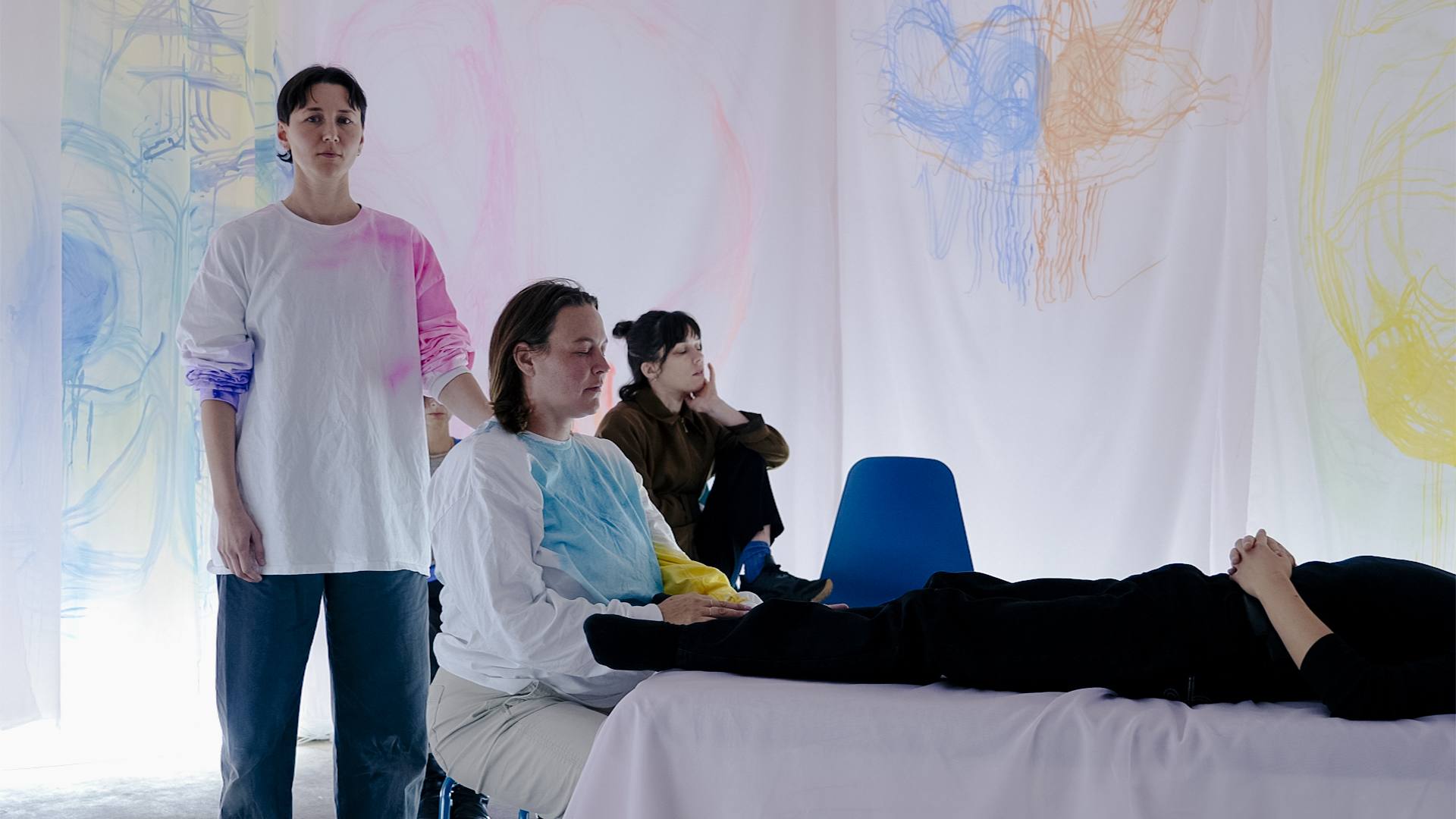
Description
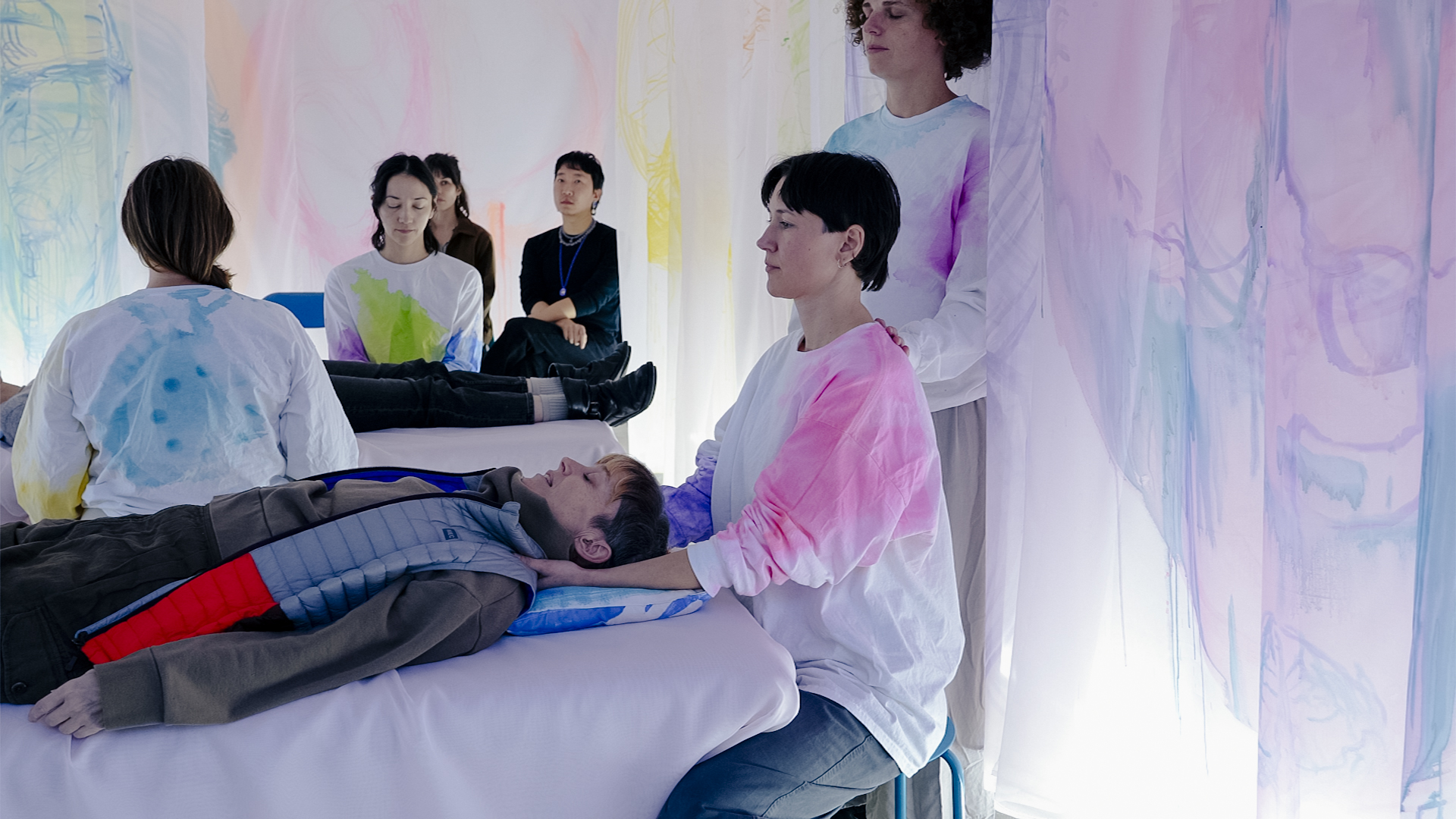
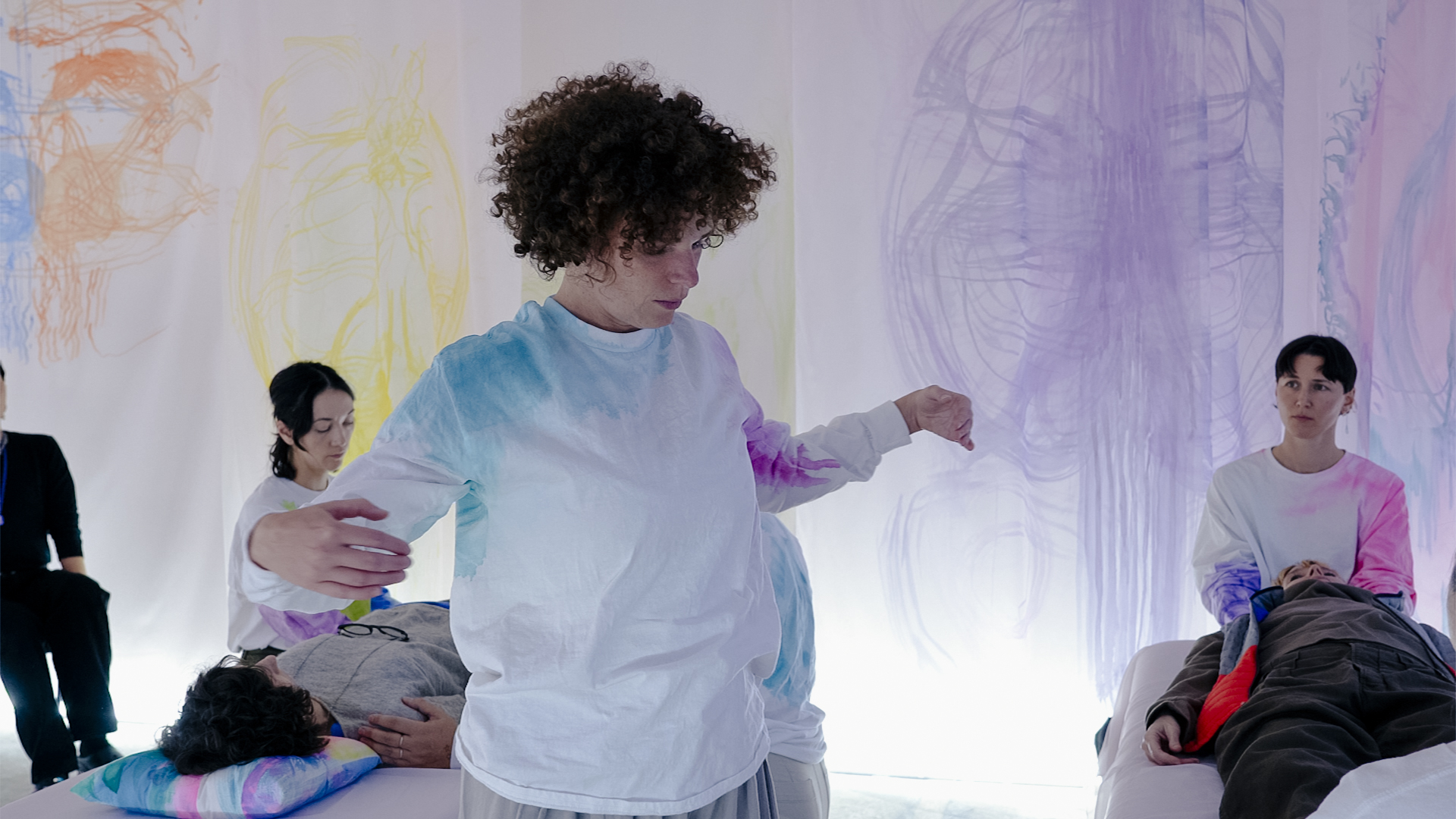
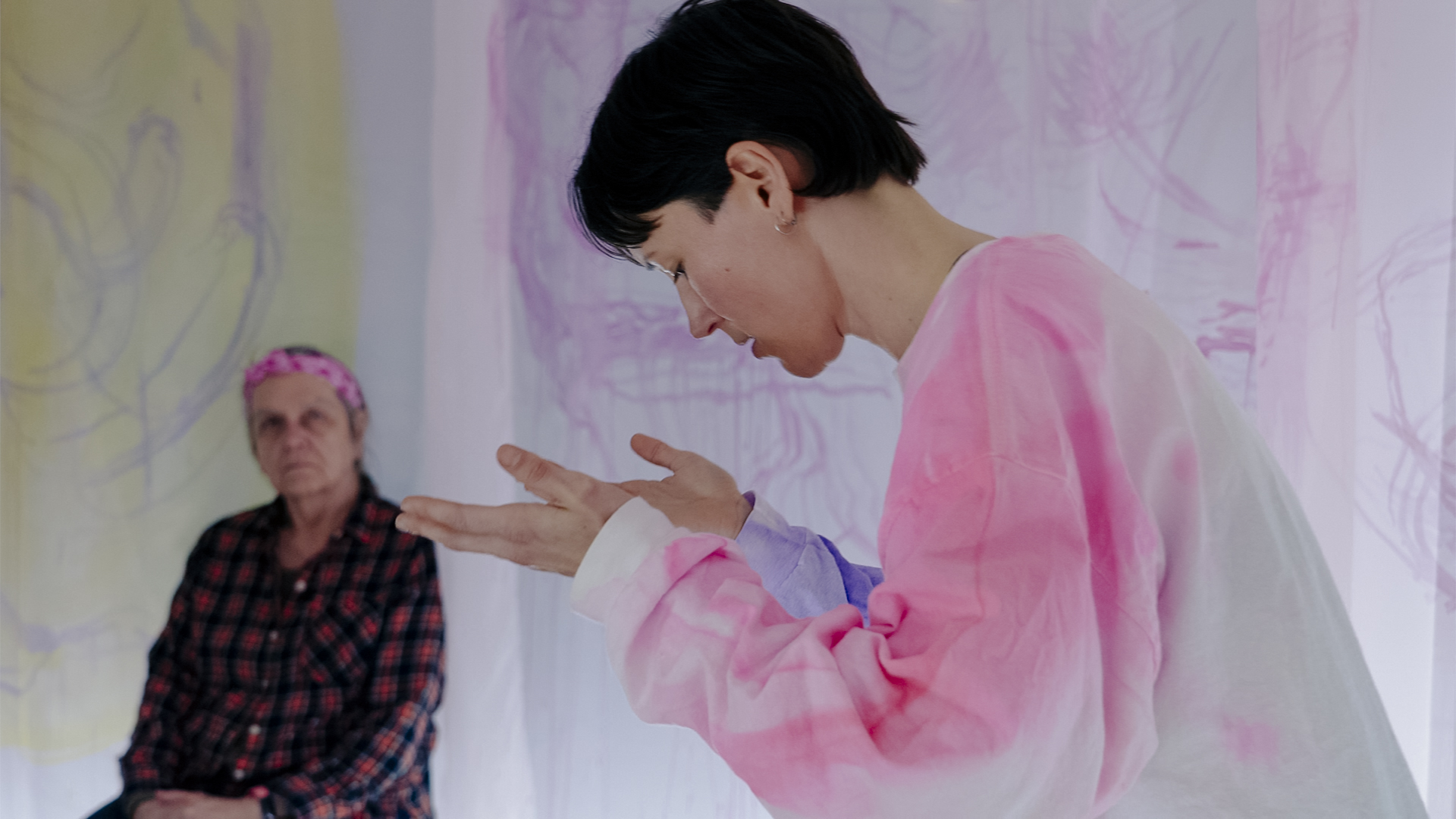
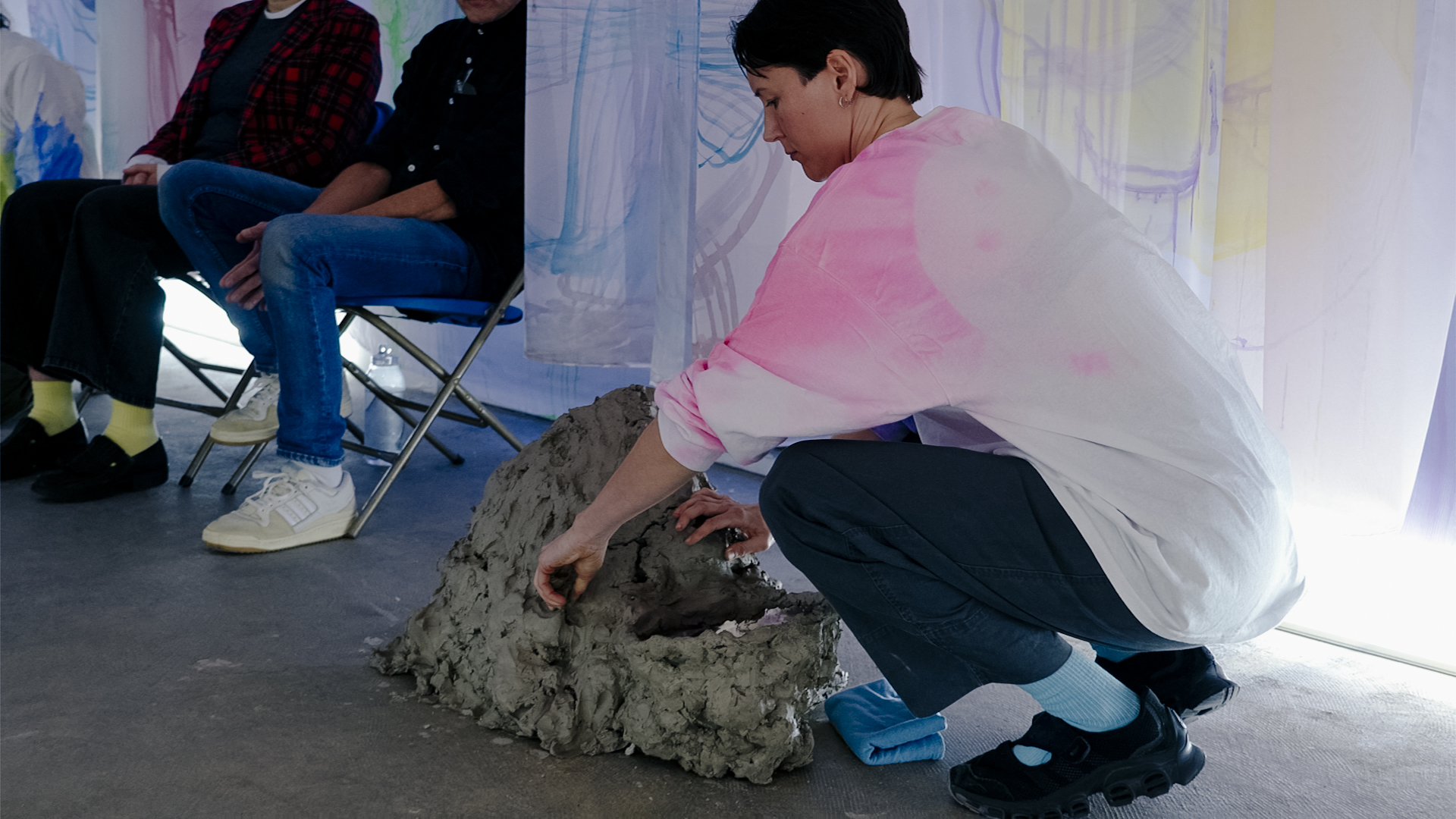
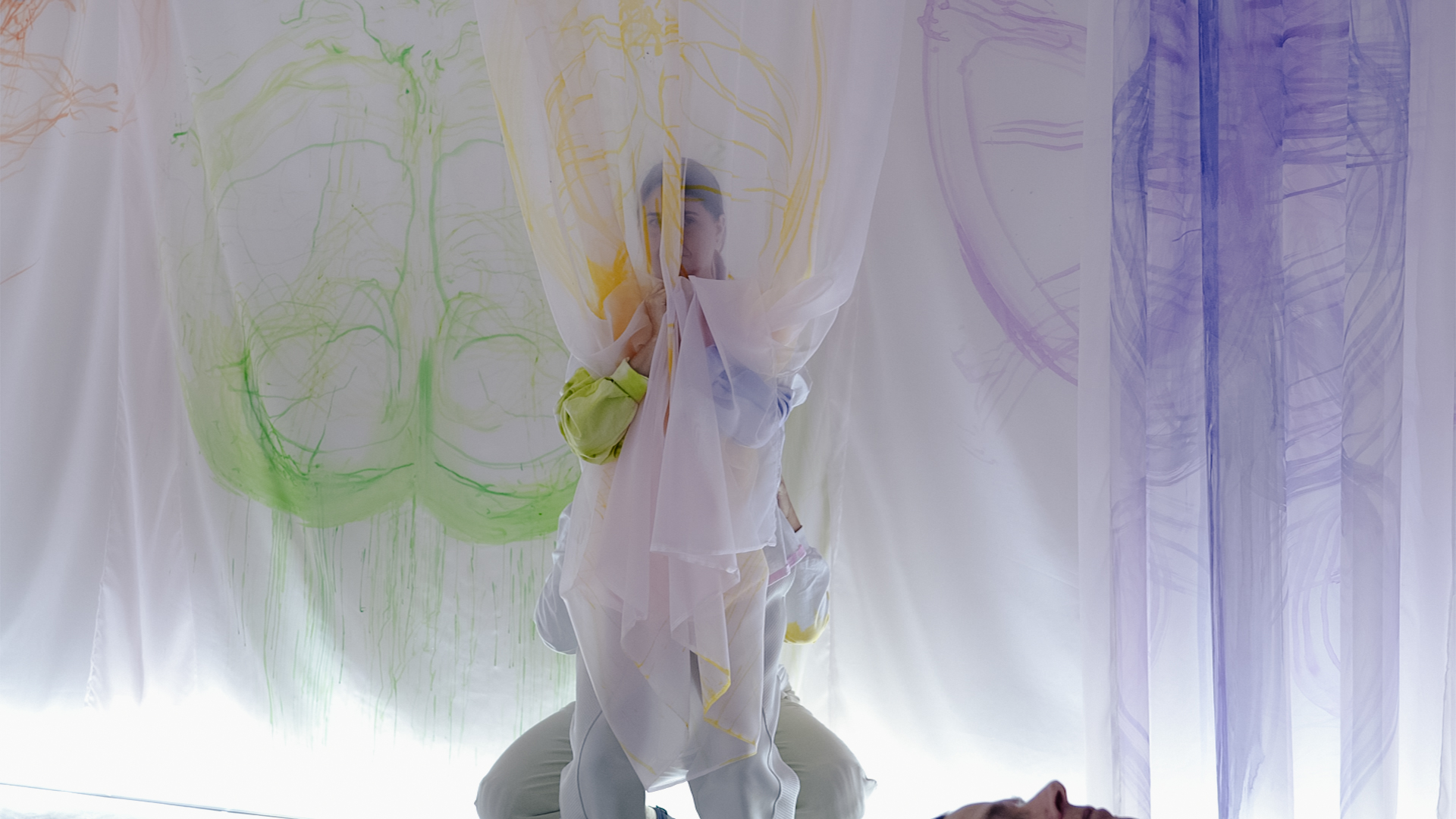
Dreaming the Asklepion began with an invitation to slow down and ground before entering the installation. As the audience entered and walked around they were encircled by a series of Zoë Kreye’s translucent gestural paintings in pinks, blues, yellows, and oranges on white chiffon fabric which were hanging like curtains from the ceiling. People oriented themselves by moving through the space; touching, sensing and exploring with child-like curiosity. To begin, Zoë Kreye, Alexa Solveig Mardon, and Lisa Prentice, accompanied by Luciana Freire D’Anunciação and Erika Mitsuhashi, took turns guiding the group and situating the work. People were invited to sit in chairs and cushions around the space as the performers explained the historical role of Asklepions in ancient Greece as sacred sanctuaries designed to promote healing through full-spectrum engagement which included physical movement, artistic experience, nutrition, community gathering, and sleep. After an announcement that “the Asklepion is now open,” the piece shifted and audience members were invited to participate in receiving touch. Those who chose to could lie down at a prepared station, made up of soft supports and layers of beautifully draped fabrics, and have a dialogue with one of the performers about where on their body they would like to receive support. The performer then placed their hands lightly on a specific part of the body, like a support under a knee or a hand on a shoulder, as the work continued. While the performers positioned at one of the three working stations focused on the participant in front of them, the other performers moved throughout the space in a series of hybrid dance-like scores, sometimes in silence, other times uttering streams of dream-speak. As in ancient Greek Asklepions where dreams were considered essential to diagnosis and healing, in this contemporary Asklepion dream narratives were woven into the performance as therapeutic tools. Cycles of participation and observation continued with some audience members resting in stillness while others were guided by their desire to explore the tactility of the clay or move around the space. When it was time to close the performers offered a similar invitation to ground, then, after a moment to breathe, the session came to an end. “The Asklepion is closed, for now.”
Performers
Luciana Freire D’Anunciação, Zoë Kreye, Alexa Solveig Mardon, Erika Mitsuhashi, and Lisa Prentice